We build Purposeful & Profitable brands
Solving Business Challenges through Brand Thinking for Bottom-line Growth

Know More
We build Purposeful & Profitable brands
Solving Business Challenges through Brand Thinking for Bottom-line Growth
Know More
ABND is a Consulting firm that offers Brand Strategy, Design, and Culture-building. We have 4 clearly defined practice areas. Each practice area acts as an independent business unit and functions with a specialised team.

Since our inception, we have attracted several B2B clients, specifically because we are able to understand B2B dynamics, dealer-distributor networks, manufacturing, engineering, and business services. The B2B Practice works with clients at the cusp of change and evolution. Besides defining strategies, creating brands, and rebranding, this division deals with businesses undergoing mergers and acquisitions, stock launches or public offerings, expansion plans, and repositioning.
Since our inception, we have attracted several B2B clients, specifically because we are able to understand B2B dynamics, dealer-distributor networks, manufacturing, engineering and business services. The B2B Practice works with clients at the cusp of change and evolution. Besides defining strategies, creating brands and rebranding, this division deals with businesses undergoing mergers and acquisitions, stock launches or public offerings, expansion plans, and repositioning.

Consumer Practice focuses on building impactful consumer brands (B2C) with an emphasis on long-term business growth. It specialises in helping businesses develop new product lines for untapped markets and has been instrumental in establishing consumer brands for several traditional B2B companies and manufacturers. The Consumer Practice also works with global businesses looking to enter Indian markets.

With over a decade of experience in creating and working with numerous prolific educational brands, we established Edunoia in 2020. Edunoia offers advisory services, brand thinking and communication strategies to a broad cross-section of education institutions, EdTech companies, and other learning and development units in businesses.

The pandemic has reshaped our work landscape significantly. Adapting to the evolving talent recruitment and retention dynamics, along with a renewed focus on cultivating organisational culture, has become imperative. People Practice offers tangible solutions for businesses, encompassing employer branding, crafting compelling employee value propositions, and fostering robust culture-building initiatives.





Establishing a Distinctive Brand for an NGO Focused on Empowering Girls in Underserved Regions


Branding India’s fastest growing company in the Medical Disposables and Equipment sector

Strategy
Brand Audit
Research, Analysis and Insights
Brand Purpose and Positioning
Brand Strategy
Brand Architecture
Product and Service Architecture
Launch Strategy
Acquisition and Growth Strategy
Identity
Brand Naming
Verbal Identity
Visual Identity
Brand Communication
UI-UX
Spatial Branding
Packaging
Retail Design
Brand Toolkits and Guidelines
Sonic and Motion Identity
Culture
Organisational Culture Branding
Employee Value Proposition (EVP)
Employer Branding
Advisory
ABND provides ongoing strategic consulting and advisory services to support our partners during their transition phase or to bring the brand and strategy to life. ABND develops and executes a comprehensive plan to achieve defined goals such as:
Marketing and Communications Planning
Organisational Change Management
Strategy Implementation and Support
Training Internal Teams
and More
Workshops & Models
40+ Workshops conducted since 2020
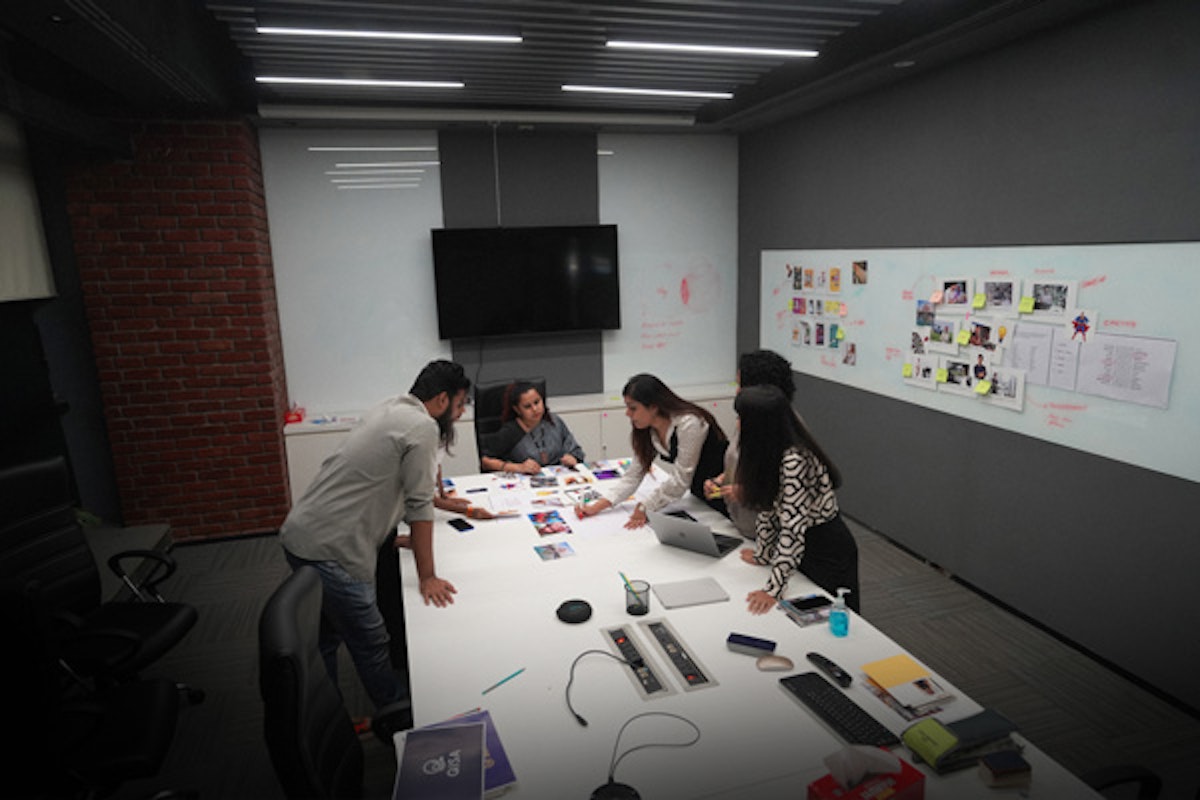
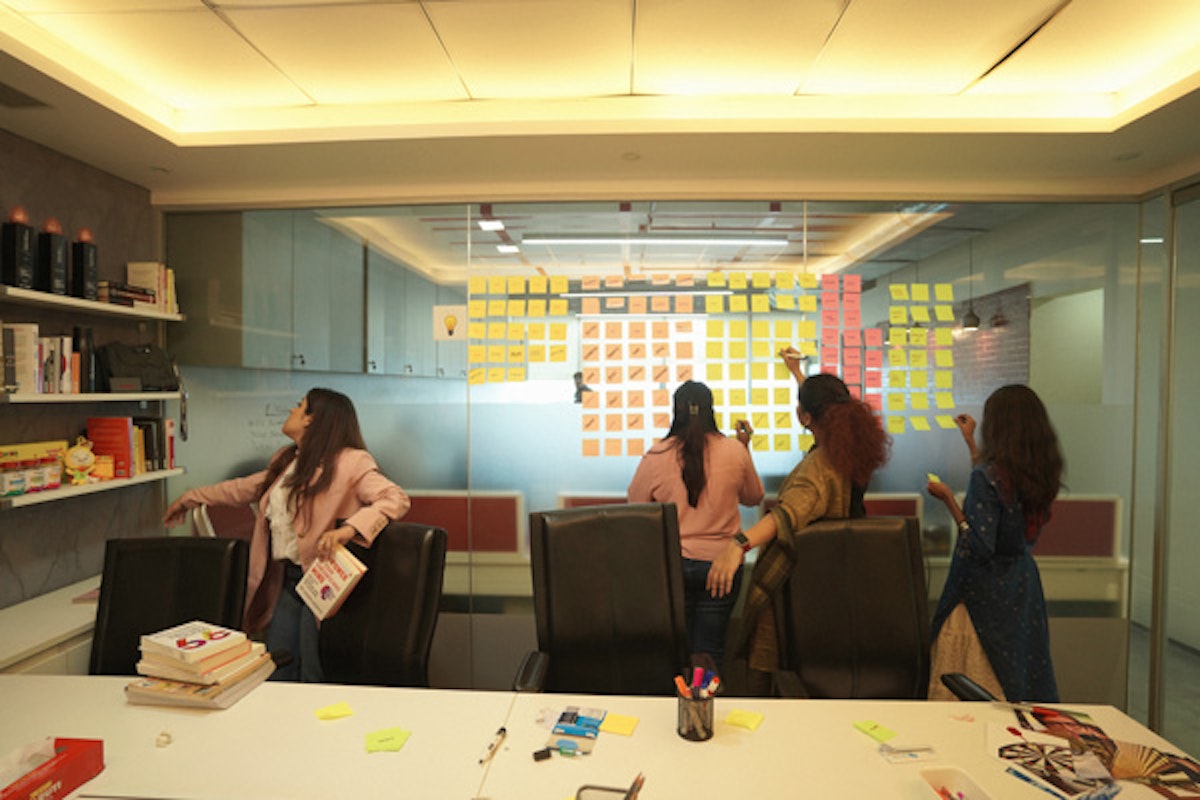
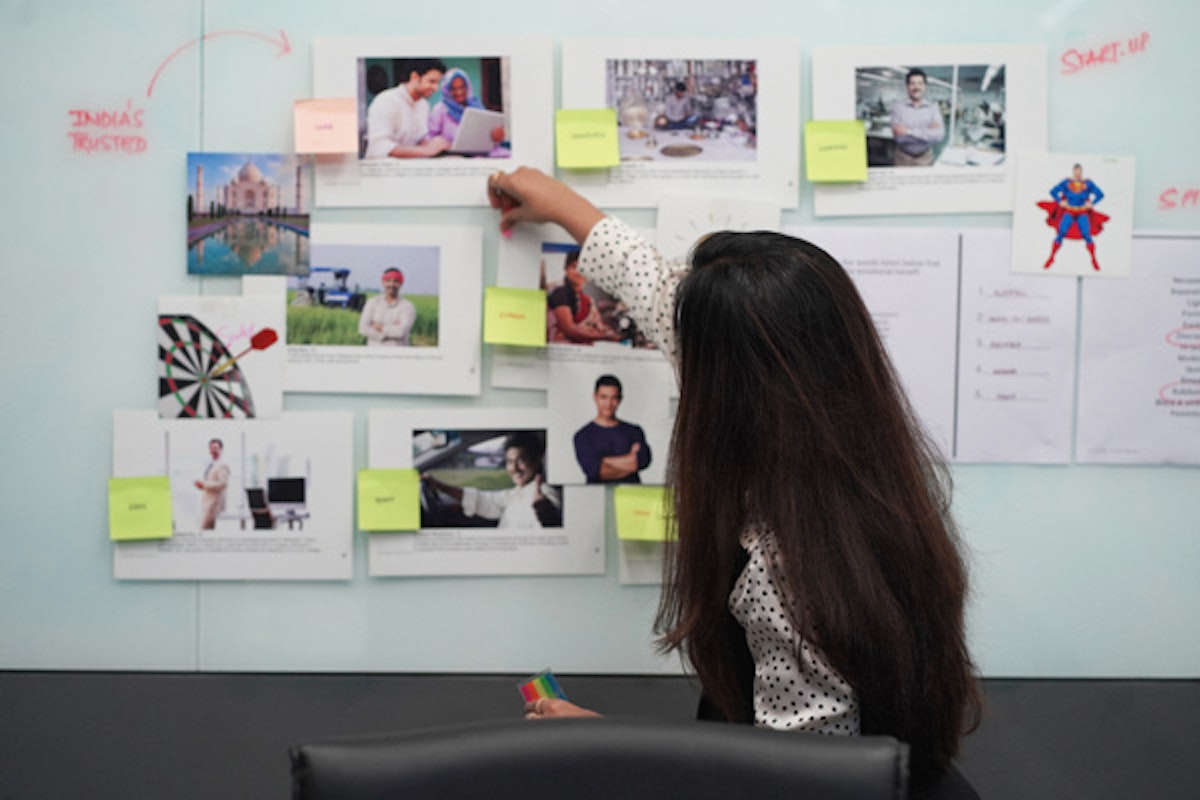
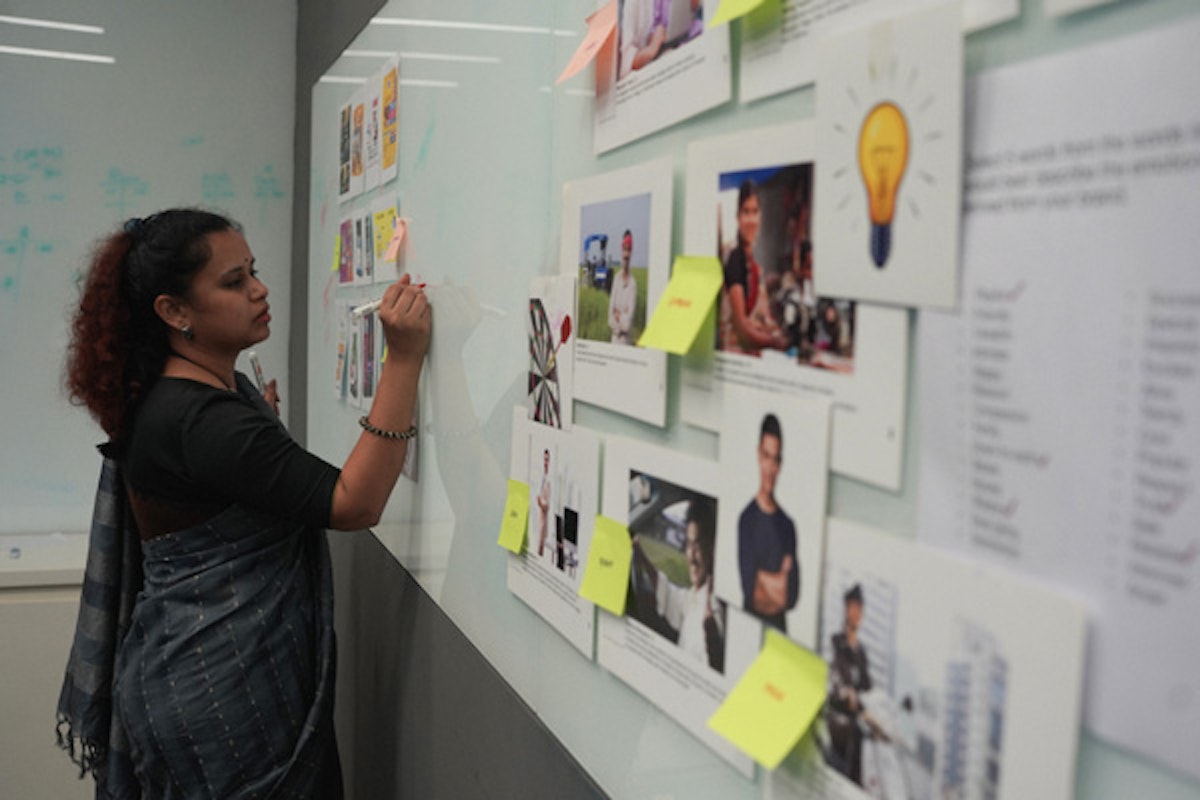
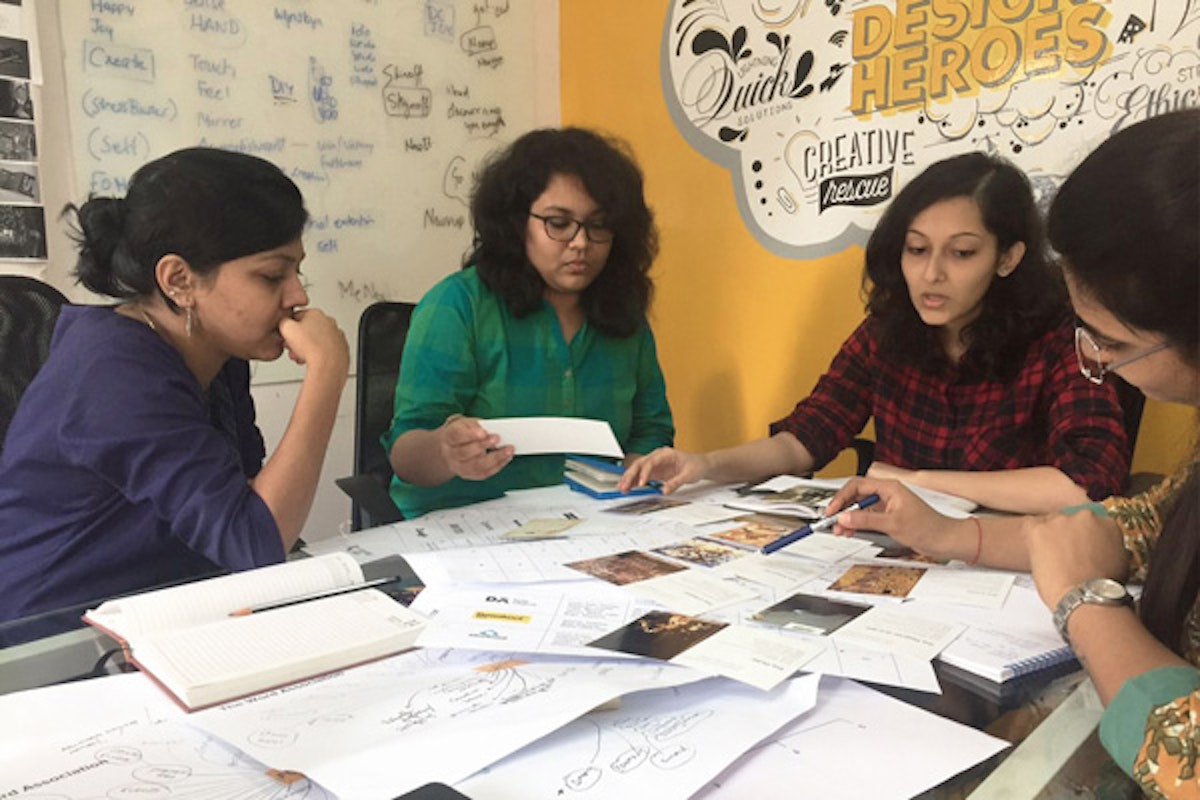
A big part of brand building is framing the right questions. It helps understand brand challenges and address them in the most defined way possible. ABND conducts proprietary Brand Workshops (based on the project brief) that are customised and immersive, promoting a collaborative approach with our clients. In some cases, we have built brands entirely over a series of 4 to 5 workshops. In others, a certain facet of the brand is developed through a workshop. Some of our proprietary workshops are:
Problem Identification
Brand Modelling
Living the Brand
Brand Auditing
Brand Naming
There are also proprietary modules that may form the basis of the Brand Workshop or a Brand Strategy. Some of our modules include:
Thought Leadership as a Service
Faculty Outreach and Engagement
Merchandising Module
Lean Brand Building
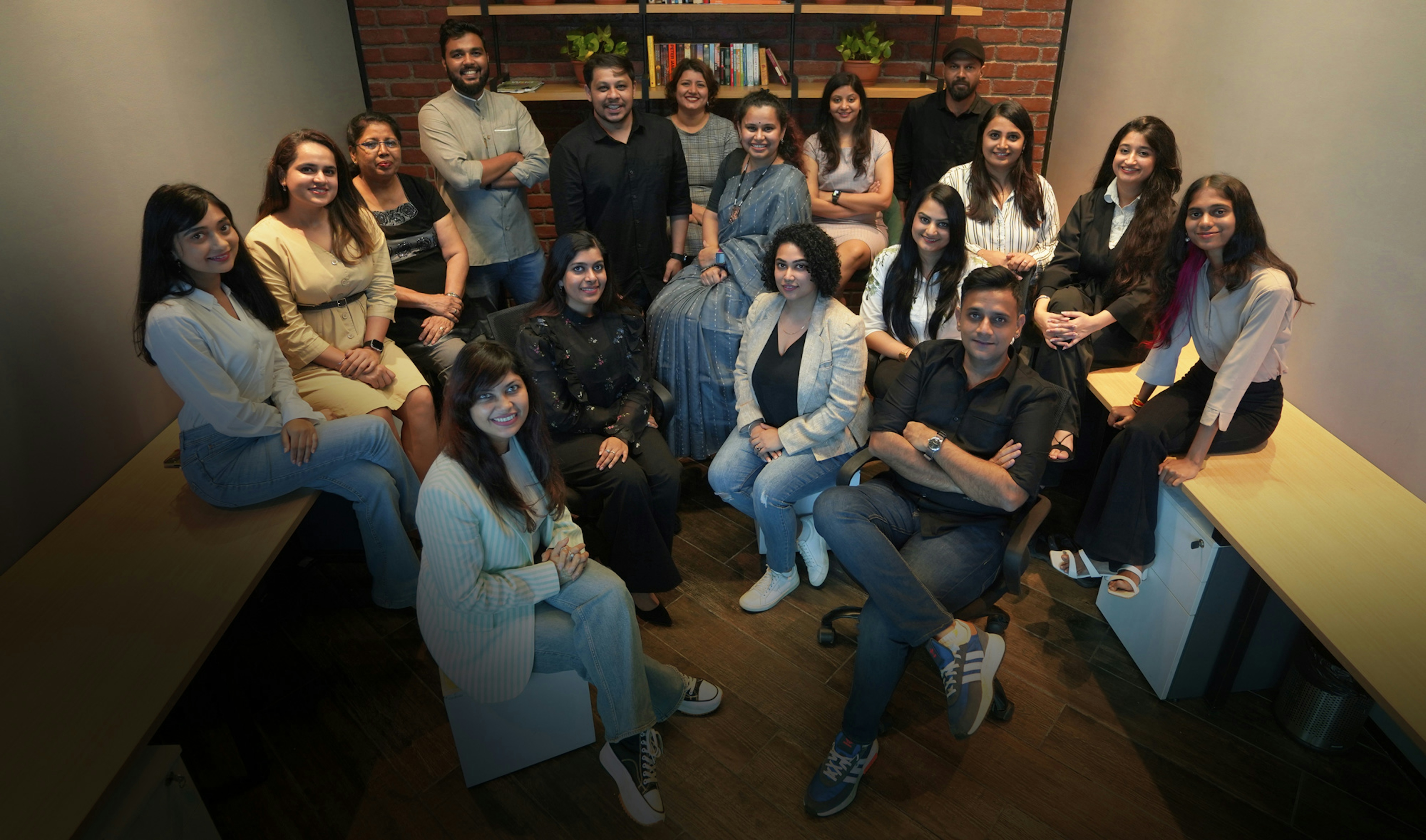
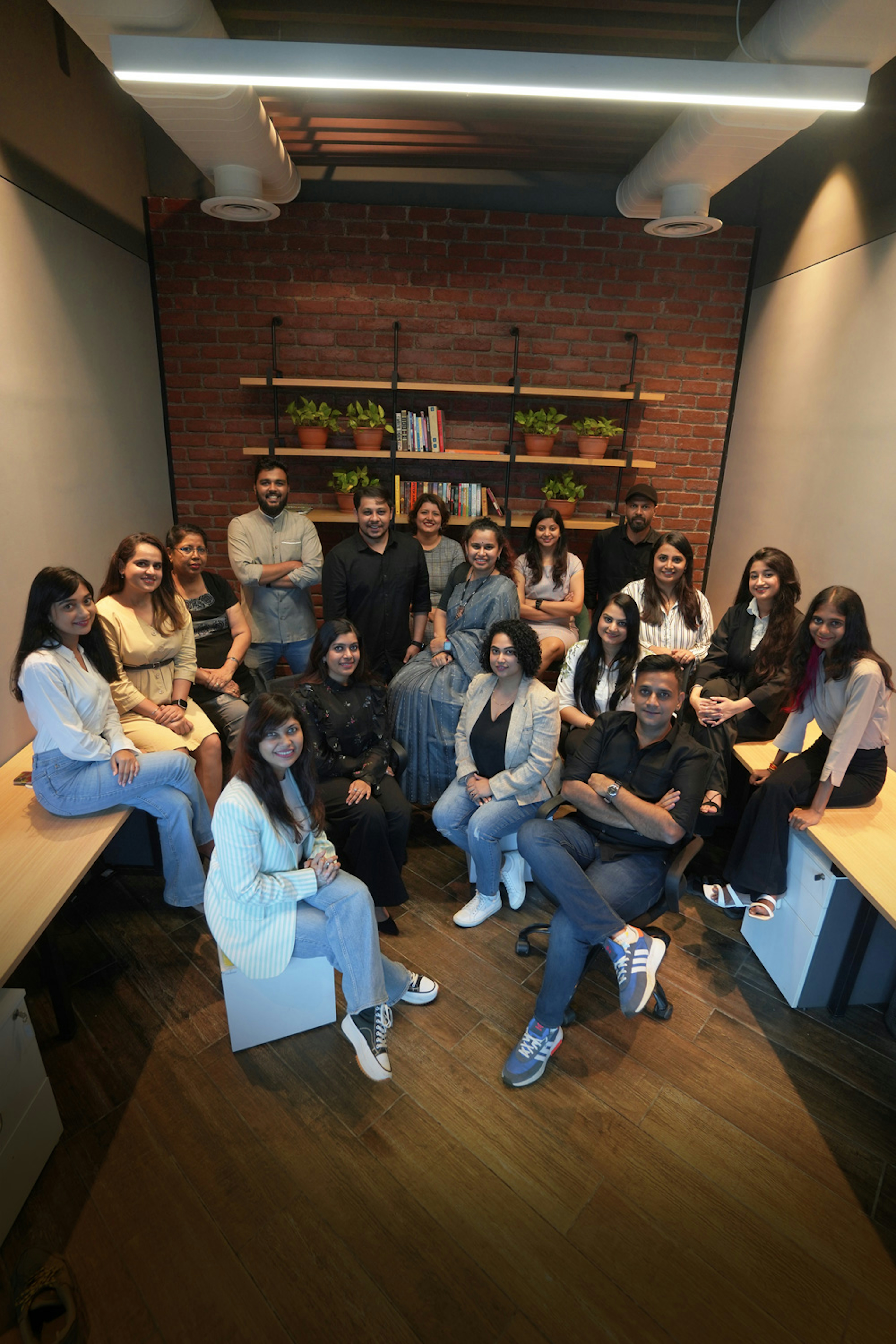
A Network of
Brand Practitioners
We believe in one thing: that Branding is a collaborative process that requires all functions working together as one team. We aim to break down the silos between strategy, design, and service teams. While a function’s skill sets remain the same, Brand Practitioners as a collective are part of a larger domain. We see Brand and Business, and not elements like Design, Copy, Advertisements, Film, or the likes.
News & Blogs



Frequently Asked Questions
Most businesses that find their way to ABND are not looking for a new logo. They are at a point of change, facing a brief that is harder than it looks and carrying more commercial consequence than they initially expected. These questions address what ABND does, who it is for, and what branding is actually worth.
When the business is at an inflection point, entering a new market, coming out of an acquisition, or facing a competitive landscape that has fundamentally shifted, the quality of brand thinking starts to carry commercial consequences. That is when having the right firm matters.
ABND is a brand strategy and design consultancy. We work with businesses facing genuinely complex brand problems: repositioning after a merger, building a brand architecture across multiple business units, establishing a position in a market with no established playbook. We work from Foundational Research through Brand Strategy, Verbal Identity, Visual Identity, and Brand Manifestation. We call this process Complexity to Clarity.
Most agencies are built for briefs with clear parameters. We are built for the ones where the parameters themselves need to be questioned. We sit between a design agency and a management consultancy, which means we bring both strategic rigour and design craft to the same brief. Our clients tend to be market leaders, legacy manufacturers, or businesses navigating serious structural change, not businesses looking for a new look.
B2B is one of our core practices. Industrial manufacturers, professional services firms, technology companies, logistics businesses: we have worked across the category and understand the specific complexity of B2B brand thinking, where the audience is niche, sceptical, and expert, and where a weak position is immediately visible. Our dedicated B2B Practice understands B2B dynamics, dealer-distributor networks, manufacturing, engineering, and business services, and builds brands that align with long-term business objectives.
When the brand no longer accurately reflects the business it represents. This happens at specific moments: after an acquisition or merger, before an IPO, when entering a new geography or category, when a legacy identity is actively working against commercial growth, or when the competitive landscape has shifted to the point where the existing position is no longer defensible. Rebranding for cosmetic reasons rarely justifies the investment.
A well-constructed rebrand does not make a business look different. It makes it mean something different, something specific and defensible in the minds of the people who matter most to it. When a brand position is clearly grounded in a genuine competitive advantage, the visual and verbal identity that follows has something real to express. That is what builds distinction over time.
Yes. Most of our work involves existing brands at a point of change, rather than building from scratch. We are often brought in to resolve contradictions that have built up over time, to unite acquired businesses under a coherent structure, or to bring an identity that was built for a smaller business into alignment with what the company has become.
We work across B2B and industrial sectors, consumer goods and retail, education, financial services, real estate, and healthcare, among others. The common thread is not the industry but the nature of the brief. We are drawn to the problems that require both strategic depth and design craft to solve.
Rebranding is a significant part of what we do. We approach it as a strategic exercise first. Before any creative direction is set, we need to understand what has changed in the business or its market that the brand has not yet caught up with. The output is a rebrand that is grounded in that analysis, not one that simply updates the aesthetics.
A clear brand position reduces the cost of being understood. When a business knows precisely what it stands for, who it is for, and why that matters, it makes better decisions across marketing, hiring, partnerships, and product development. Branding is not a communications exercise. It is a business clarity exercise.
Most engagements begin with a conversation about the brief, not a proposal. We need to understand what has changed, what is not working, and what the business is trying to achieve before we can scope the work correctly. From there, a typical engagement moves through our Complexity to Clarity process: Foundational Research, Brand Strategy, Verbal Identity, Visual Identity, and Brand Manifestation. The scope depends on where the complexity sits.
A brand that is working makes commercial decisions easier. It attracts the right clients and deters the wrong ones. It commands a price premium that is defensible. It gives internal teams a clear frame of reference for what to say and how to say it. When a brand is not working, the signs are usually the opposite: price pressure, inconsistency across communications, difficulty articulating what differentiates the business, and a mismatch between how the company sees itself and how the market sees it. If those problems feel familiar, the brand is probably not working as hard as it should
Yes. Several of our most complex projects have involved brands operating across multiple geographies, languages, and cultural contexts simultaneously. The strategic challenge in international brand work is building a position that is coherent enough to hold across markets while being flexible enough to be credible in each of them. That tension is something we have navigated across B2B, consumer, and institutional briefs.
All client work is conducted under a non-disclosure agreement as standard. Given the nature of the briefs we handle, which often involve unpublished acquisitions, pre-IPO strategy, and commercially sensitive repositioning, confidentiality is not a formality for us. It is a structural requirement of how we work. Client names and brand outcomes are never shared without explicit permission.